
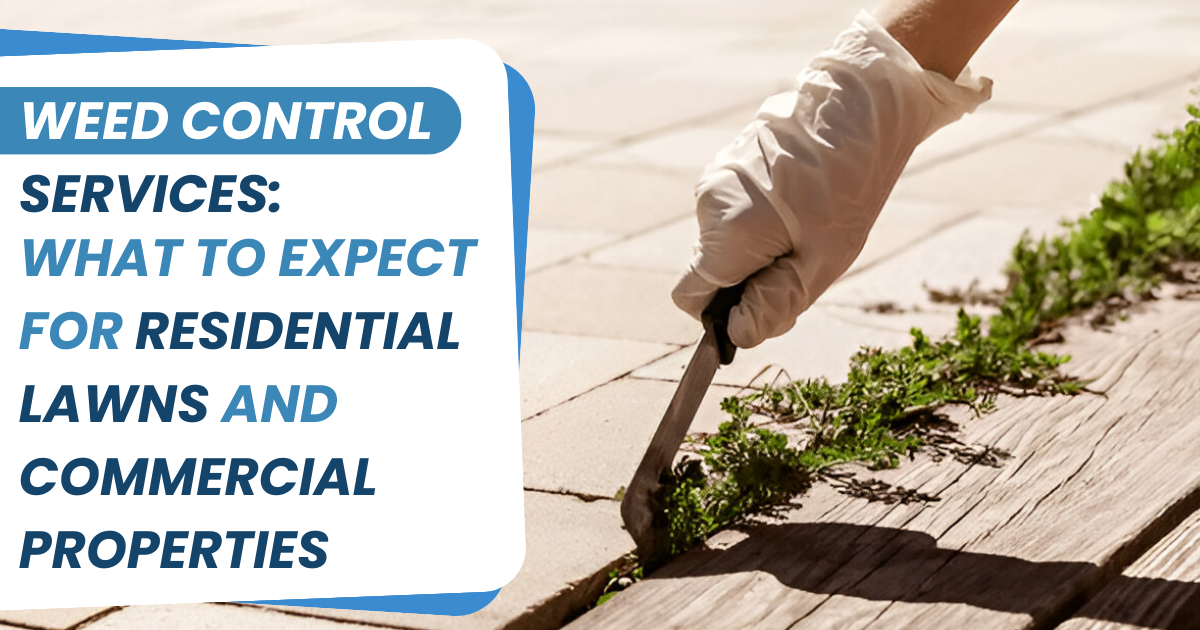
Weeds are more than just an eyesore on your lawn or commercial property; they compete with grass and plants for nutrients, water, and sunlight. Left unmanaged, they can take over entire landscapes, making outdoor spaces unsightly and difficult to maintain. That’s where professional weed control services come in.
Homeowners and property managers across the area rely on Habitat Protection for effective weed management strategies. With a combination of pre-emergent treatments, post-emergent solutions, and organic methods, they ensure both residential and commercial spaces stay lush, healthy, and weed-free all year long.
Professional weed control involves two main strategies: pre-emergent and post-emergent treatments. Each plays a critical role in keeping your property pristine.
Pre-emergent treatments prevent weeds from germinating in the first place. These are applied before weed seeds begin to sprout, forming a protective barrier in the soil. This method is particularly effective for crabgrass, dandelions, and other common seasonal weeds.
If weeds have already appeared, post-emergent solutions are used to target and remove them directly. Technicians carefully apply treatments to affected areas to minimize damage to surrounding grass or plants. For stubborn or deep-rooted weeds, multiple applications may be necessary to achieve complete removal.
For environmentally conscious homeowners or commercial properties with high foot traffic, organic weed control solutions offer an effective alternative to traditional chemicals. These treatments use natural ingredients that suppress weed growth while maintaining soil health and supporting a sustainable landscape.
Weeds in residential lawns can be frustrating, especially when they appear faster than grass grows. Professional residential weed control services not only remove existing weeds but also help prevent future outbreaks.
This proactive approach ensures that your lawn remains vibrant, green, and enjoyable throughout the year.
Commercial properties face additional challenges when it comes to weeds. Parking lots, walkways, and landscaped areas must remain visually appealing while adhering to safety standards. Professional commercial weed management includes:
Identifying problem areas, including cracks in pavement and overgrown landscaping. Technicians use a systematic approach to survey all hardscapes and softscapes, looking for early signs of root intrusion that can compromise concrete and asphalt. They also assess areas near building foundations, fence lines, and utility boxes where weeds often establish themselves quickly and aggressively.
Applying both pre- and post-emergent solutions to high-traffic and hard-to-reach areas. Pre-emergent herbicides are strategically applied to bare ground and gravel areas to create a barrier that prevents weed seeds from sprouting in the first place, offering proactive, long-term control. Post-emergent products are then used for spot treatment to eliminate any visible weeds that have already broken the surface, ensuring a clean and immediate result.
Scheduling regular follow-ups to prevent regrowth and ensure the property remains clean and presentable. These scheduled visits allow specialists to re-evaluate treated areas and apply season-appropriate products, tackling different weed species as they emerge throughout the year. This consistent, preventative maintenance cycle is crucial for maintaining a weed-free environment and avoiding the high costs of rehabilitating severely overgrown properties.
Hiring experts for weed control services offers several advantages over DIY methods:
When you schedule weed control with Habitat Protection, here’s how the process typically works:
Technicians evaluate your property to identify weed types, density, and problem areas. They may also test the soil to determine nutrient levels and the best treatment method.
Based on the inspection, a plan is created using pre-emergent, post-emergent, or organic solutions depending on your property’s specific needs.
Experts carefully apply the selected treatments to ensure maximum coverage and effectiveness. They pay attention to detail, treating both high-traffic areas and hidden spots where weeds can take root.
After the treatment, technicians provide guidance on watering schedules, mowing practices, and seasonal tips to maintain a healthy, weed-free property.
While DIY weed control might seem cost-effective, it often falls short:
Professional services, in contrast, address both current infestations and future prevention, saving time and delivering lasting results.
One-time treatments rarely provide lasting results. Weeds are persistent, and seasonal changes can trigger new growth. Long-term management ensures:
When it comes to professional weed control services, Habitat Protection stands out for its commitment to quality, reliability, and environmentally responsible practices. Their trained technicians combine expertise with state-of-the-art equipment to deliver customized solutions for both residential and commercial properties.
By focusing on prevention and long-term maintenance, Habitat Protection ensures your property remains healthy, attractive, and weed-free, season after season.
Weed control is an ongoing process that involves more than just pulling out visible invaders. By adopting a proactive and integrated approach, property owners can drastically reduce weed populations, leading to a healthier and more visually appealing landscape.
Mow, aerate, and fertilize appropriately to support healthy grass growth. A dense, thriving lawn is the best defense against weeds, as healthy turf chokes out invasive species by competing for sunlight, water, and nutrients. Ensure your mower blades are sharp and set to a high enough level (usually around 3 inches) to shade the soil. Aerating the soil reduces compaction, allowing grass roots to grow deep and strong. Timely fertilization provides the necessary food for your grass to remain dominant over weeds.
Apply mulch around garden beds to suppress weed growth. A deep layer of mulch (ideally 2-3 inches) acts as a physical barrier, blocking sunlight from reaching weed seeds in the soil and preventing them from germinating. Beyond weed suppression, mulch helps the soil retain moisture, moderates soil temperature, and slowly decomposes to enrich the soil, benefiting your desired plants. Be careful not to pile mulch directly against the base of trees or shrubs, which can lead to rot.
Water deeply and less frequently to encourage strong roots rather than shallow, weed-friendly growth. Shallow watering encourages weed seeds near the soil surface to sprout while only providing minimal benefit to your established, deeper-rooted plants. Instead, water long enough for the moisture to penetrate several inches into the soil. This technique promotes deep, resilient root growth in your turf and plants, making them more drought-tolerant and less susceptible to weed competition.
Install borders around garden beds and sidewalks to prevent weeds from creeping in. Defined edges, such as metal, plastic, or stone barriers, physically separate turf and garden areas from paved surfaces. This separation stops lawn weeds, like Bermuda grass, from spreading into flowerbeds and prevents cracks in concrete from becoming easy access points for weeds like dandelions and crabgrass. Routinely check and maintain these barriers to ensure they remain effective throughout the seasons.
Schedule professional services before peak weed seasons for maximum protection. The most effective strategy involves applying a pre-emergent herbicide in the spring to stop summer weeds (like crabgrass) before they sprout, and often another application in the fall to control winter annuals (like henbit). Partnering with a professional ensures the right products are applied at the correct time of year, targeting the specific types of weeds prevalent in your region, thereby maximizing the product's effectiveness and minimizing labor.
In a nutshell, whether you manage a residential yard or a vast commercial property, effective weed control is a year-round necessity, not a one-time fix. Weeds present a continuous threat to the health, curb appeal, and safety of your outdoor spaces.
By utilizing a proactive, integrated approach combining pre-emergent weed control to stop weeds before they start, post-emergent weed treatment for immediate removal, and eco-friendly organic weed control solutions you can secure a landscape that is consistently healthy, vibrant, and welcoming.
Choosing professional weed control services with a trusted partner like Habitat Protection is the most reliable way to achieve these long-term results, ensuring your property is protected and impeccably maintained through every season. Ready to Reclaim Your Property. Don't let aggressive weeds compromise your curb appeal or structural integrity.
Contact Habitat Protection today for a comprehensive site inspection and a customized weed control service plan designed for your specific residential or commercial needs.
1. How often should residential lawns be treated?
Most lawns benefit from at least two professional treatments per yearspring for pre-emergent control and summer/fall for post-emergent treatment.
2. Are organic weed control solutions effective?
Yes, they are highly effective for both prevention and removal while being eco-conscious.
3. Can commercial properties rely on DIY methods?
DIY methods rarely achieve consistent results across large areas and often fail to prevent regrowth.
4. How long does it take to see results?
Results vary depending on weed type and treatment method, but most properties show improvement within 1–3 weeks.
5. Are treatments safe for pets and children?
Yes, professional services can use formulas that are safe for family and pets while effectively controlling weeds.


